Tactical Combat Casualty Care (TCCC) Let me start this article off by saying if you are not carrying at least a tourniquet (ON YOUR PERSON), while you are on duty, then you have failed! You have failed yourself, your partners, your family, your department, and your community. I fully confess my faults by admitting that I have only started to carry a tourniquet (SOF-T) while … [Read more...]
Review of Beating the Reaper
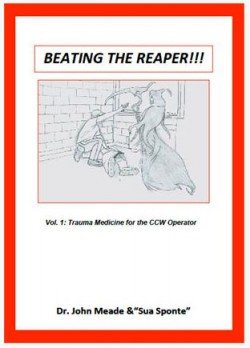
Tactical Combat Casualty Care is the current US military protocol for treating battlefield injuries. I've written previously about how to adapt the military's protocol for care under fire into something that law enforcement can use for self-care in dangerous situations. I posted a review of the book Beating the Reaper: Trauma Medicine for the CCW Operator at … [Read more...]
Israeli Bandage Instructional Video
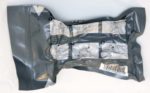
The Israeli bandage is something every police officer should have on his or her active shooter plate carrier and in their bail out bag. It allows the officer to quickly apply a very effective pressure bandage to themselves or to a fellow officer who has been wounded. Israeli bandages are inexpensive, and even if your department does not issue them (they probably … [Read more...]
Trauma Pak with QuikClot for First Responders Review
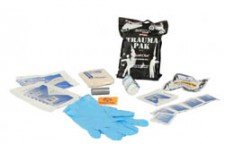
Adventure Medical Kits’ Trauma Pak with QuikClot is a recent offering that is an important addition to the patrol car, bailout bag, or go-vest. AMK markets a line of first aid products designed for outdoor adventurers and travelers. Their first aid kits are combinations of items tailor-made for different users’ needs from outdoor sport to professional. The Trauma … [Read more...]